
San Jose · Sauna Builder Services
Traditional Saunas
Traditional Finnish saunas built in San Jose. Proper rock mass, engineered airflow and soft steam you can actually feel, in wood-fired or electric form.
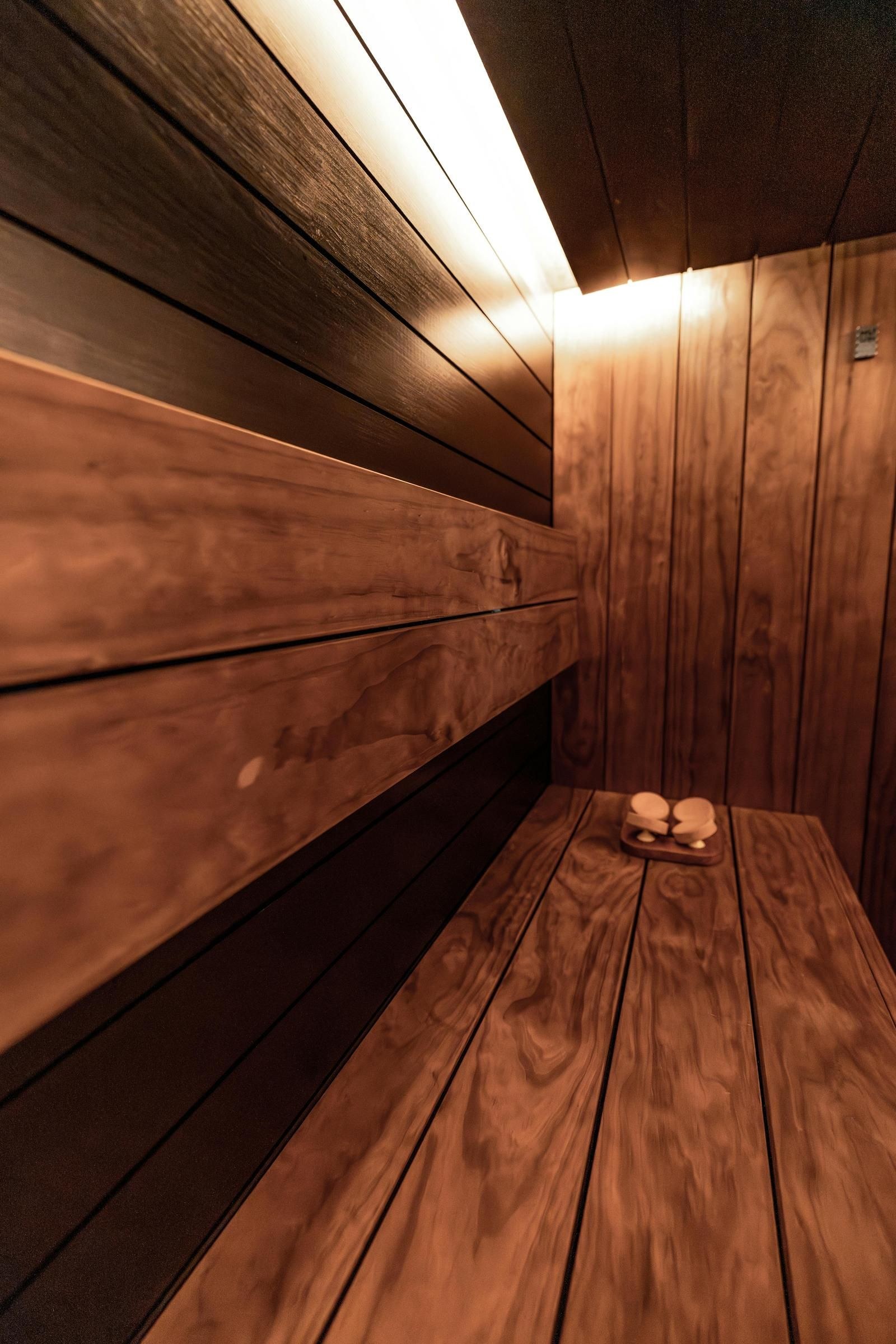
Traditional Saunas · San Jose
Traditional Saunas Done Right
A traditional sauna is the one most people picture: cedar walls, a bank of stones over a heater, a ladle, and a wave of soft steam when water hits the rocks. Getting that right is an engineering job as much as a carpentry one, and it is where most rooms quietly fail. San Jose Sauna builds proper Finnish rooms across San Jose and the South Bay, with the stone mass, heater sizing and vent placement worked out before a single board is cut.
Why Go With a Finnish Sauna Builder
Plenty of contractors can frame a small room and hang cedar. Far fewer understand why a room that reaches 190 degrees can still feel thin and hostile. The answer is almost always stone mass and airflow. We train on Finnish practice, size the heater to your cubic volume rather than to a catalogue chart, load enough rock to hold and release humidity, and place intake and exhaust so air actually moves across the bench. That is the difference between heat and steam. Plenty of these end up as a backyard cabin rather than an indoor room, and putting a cold plunge beside the door turns it into a proper circuit. Seeing the whole range side by side helps if you are still choosing.
- Heater sized to cubic volume, never guessed
- Stone mass specified for real steam
- Intake and exhaust placed to circulate heat
- Wood-fired and electric, indoors or out
- Aspen and abachi benches that stay cool to touch
- Trained on Finnish and North American practice
- Licensed California Class B builder, insured and bonded
When You Need Traditional Saunas
Choose a traditional room when:
- You want to pour water on stones and feel that soft wave of steam.
- You grew up with sauna culture and an infrared cabin will not satisfy you.
- You want the ritual: heat, cold, rest, repeat, ideally with a plunge nearby.
- Several people will use it together, so the room needs bench space and even heat.
- You want a room that holds its value and lasts decades rather than years.
- You like the idea of a wood fire, and the independence from the grid that comes with it.
- You want the scent of hot cedar, which no electric panel reproduces.
If short weeknight sessions and a modest budget matter more, an infrared cabin is the sensible alternative. Call: 408-617-8448
How We Work
From the first drawing to your first steam, the plan stays clear and the price stays set.
1. Volume and heat design
We calculate the room’s cubic volume, size the heater to it, and specify how much stone the unit needs to carry. Undersized rock mass is the single most common reason a sauna disappoints.
2. Envelope and airflow
We frame, insulate and seal the enclosure properly, then set intake low near the heater and exhaust high on the far wall so the air turns over instead of stratifying.
3. Bench work and commissioning
Benches go in at heights that put you in the good heat, in a wood that stays cool to the touch. Then we fire it, throw water, and adjust the vents with you there.
Traditional Sauna Choices
Electric heaters
Set a temperature and walk away. Modern units offer scheduling and remote start, and they carry plenty of stone if you specify the right model.
Wood-fired stoves
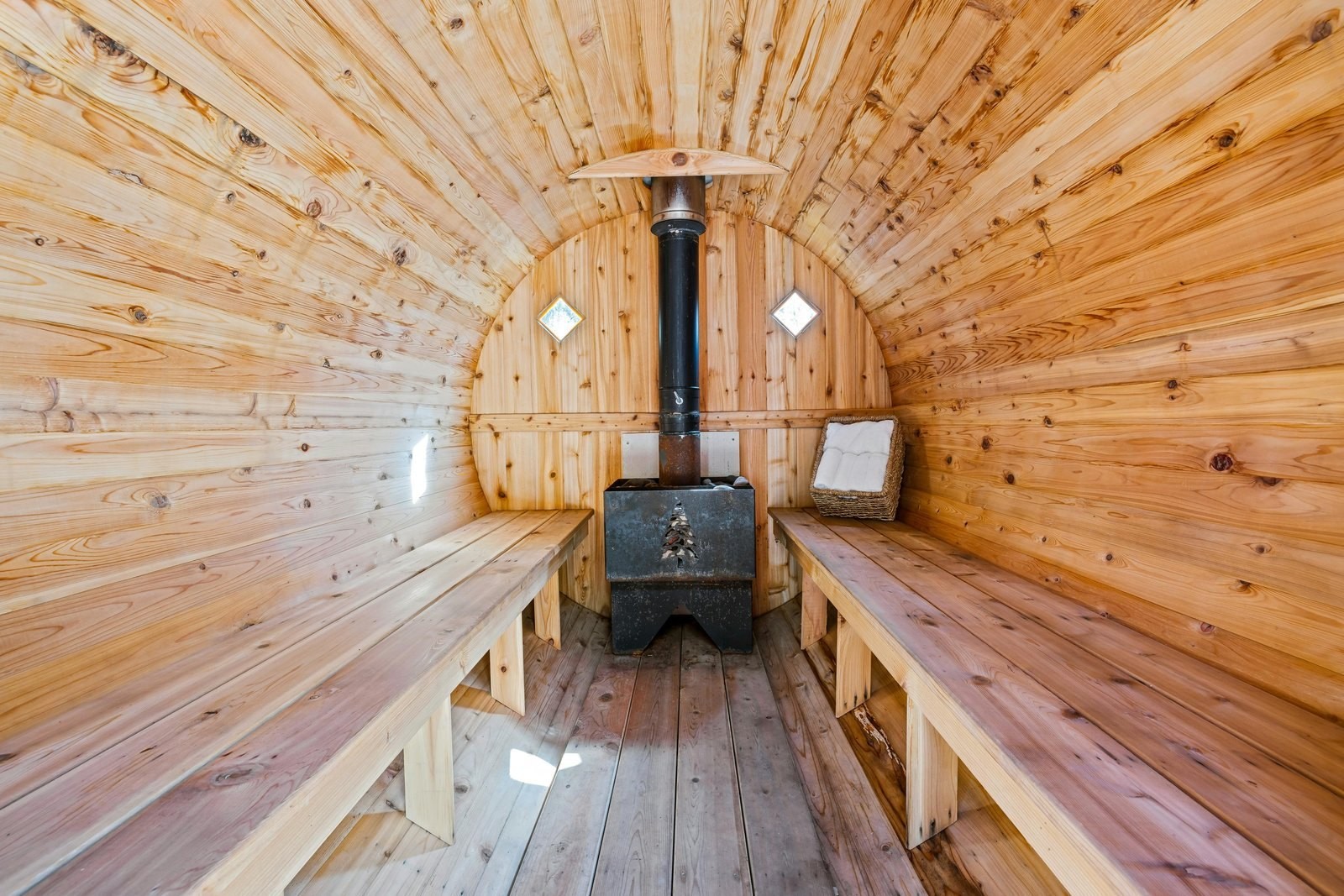
The full ritual, the smell of woodsmoke, and a room that works during an outage. Needs a flue and clearances, which we detail and permit.
Rock mass and löyly
More stone means a softer, longer-lasting steam. We spec heaters by how much rock they hold, not just by kilowatt rating.
Bench woods
Thermally treated aspen and abachi stay comfortable at 190 degrees. Cedar carries the scent. We usually combine them, cedar on the walls and aspen where skin touches.
What Affects the Cost of Traditional Saunas
What drives the price of a traditional room:
- Room volume, which sets the heater rating and the insulation quantity.
- Heat source. Wood-fired stoves need a flue, clearances and often a structural detail; electric needs a dedicated circuit.
- Stone mass. Heaters that hold more rock cost more and are worth it.
- Wall and bench woods, where clear cedar and thermally treated aspen sit above hemlock.
- Whether it is indoors or a freestanding cabin needing a pad and a roof.
- Permit fees and any panel work.
Every quote is itemized so you can see exactly what the heat design costs versus the finishes.
Frequently Asked Questions
Will it produce real steam?
Yes, and that is the whole point. Real steam needs three things most installs get wrong: enough stone on the heater to store heat, a unit sized to the actual room volume, and vents positioned so air turns over. We design for all three from the first drawing, then adjust the vents with you at handover.
Wood-fired or electric?
Electric is easier to live with day to day. You set a temperature, or schedule it from your phone, and it is ready when you are. Wood-fired gives you the fire, the smell and a room that still works when the power drops in a summer heat wave, at the cost of a flue, clearances and twenty minutes of tending. We build both.
How hot does a traditional sauna get?
Typically 170 to 195 degrees at bench height, with humidity you control by ladling water onto the stones. That combination, rather than raw temperature, is what makes the heat feel enveloping instead of harsh.
Tips for maintaining a personal sauna unit?
Air it out after each session so the wood dries evenly. Wipe benches with a damp cloth rather than soap. Sand and re-oil bench tops once a year, more often in our dry summers. Swap stones every couple of years, since they crack and pack down and choke the steam. Book a yearly check of the heater, the seal and the vents and most big repairs never happen.
Let's build your sauna.
Reach out for a free estimate or just to say hello! Tell us roughly what you have in mind and we will come out and measure.
Or call us now: 408-617-8448